Powered By

Skin Design: Jasmine85

Powered by Blogger

Showing posts with label Shrine. Show all posts

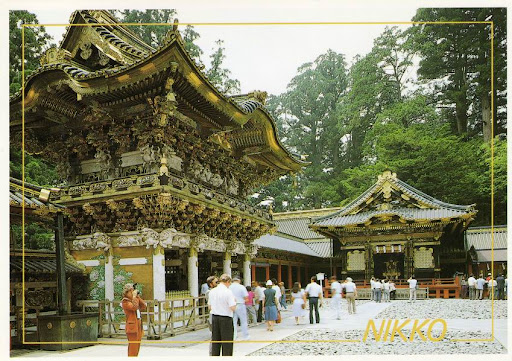
P227 - Japan - Yomeimon in Nikko


Yomeimon, Nikko, Japan (UNESCO WHS)


Nikkō Tōshō-gū (日光東照宮) is a Shinto shrine located in Nikkō, Tochigi Prefecture, Japan. It is part of the "Shrines and Temples of Nikkō", a UNESCO World Heritage Site.

Tōshō-gū is dedicated to Tokugawa Ieyasu, the founder of the Tokugawa shogunate. Initially built in 1617, during the Edo period, while Ieyasu's son Hidetada was shogun, it was enlarged during the time of the third shogun, Iemitsu. Ieyasu is enshrined here, and his remains are entombed here.

During the Edo period, the Tokugawa shogunate carried out stately processions from Edo to the Nikkō Tōshō-gū along the Nikkō Kaidō. The shrine's annual spring and autumn festivals reenact these occasions, and are known as "processions of a thousand warriors."

Five structures at Nikkō Tōshō-gū are categorized as National Treasures of Japan, and three more as Important Cultural Properties. Additionally, two swords in the possession of the shrine are National Treasures, and numerous other objects are Important Cultural Properties. Famous buildings at the Tōshō-gū include the richly decorated Yōmeimon, a gate that is also known as "higurashi-no-mon." The latter name means that one could look at it until sundown, and not tire of seeing it. Carvings in deep relief, painted in rich colors, decorate the surface of the structure. The next gate is the karamon decorated with white ornaments. Nearby, a carving of the sleepy cat, "Nemuri-Neko", is attributed to Hidari Jingorō.

The stable of the shrine's sacred horses bears a carving of the three wise monkeys, who hear, speak and see no evil, a traditional symbol in Chinese and Japanese culture.

The original five-story pagoda was donated by a daimyo in 1650, but it was burned down during a fire, and was rebuilt in 1818. Each story represents an element - earth, water, fire, wind and heaven - in ascending order. Inside the pagoda, a central shinbashira pillar hangs from chains to minimize damage from earthquakes.

Hundreds of stone steps lead through the cryptomeria forest up to the grave of Ieyasu. A torii at the top bears calligraphy attributed to Emperor Go-Mizunoo. A bronze urn contains the remains of Tokugawa Ieyasu.


日光東照宮是一位於日本栃木縣日光市山內,建於1617年(元和3年)的神社,屬於德川家靈廟之一,主要祭祀的是將江戶幕府初代將軍德川家康神格化後的神明「東照大權現」。日光東照宮是遍佈日本全國的諸多東照宮之總本社,神社原本的正式名是不加上地名的「東照宮」,但為了作為區分,因此習慣上會在社名之前加上地名,而成為「日光東照宮」。

東照宮位於日光山(又稱為日光連山,由男體山、女峰山以及太郎山組成)山麓。建築樣式採「權現造」與「八幡造」式樣,也就是以大量的石材作為地基再配合木製結構;八幡造則是以前後二進建築的結構,也就是說整個東照宮除了以石材作為地基之外,還有前殿與後(內)殿的分別。東照宮的社格為別格官幣社,例行祭典日期為每年5月17日與5月18日。東照宮旁還有輪王寺以及日光二荒山神社,並稱為「二社一寺」。

東照宮于1999年被聯合國教科文組織批准為世界文化遺產。東照宮內有許多著名文物,有用從中國運來的木材,請中國高手匠人雕刻的「唐門」,其上雕刻的都是中國典故,如「許由洗耳」、「竹林七賢」等。有一個馬廄,上面雕刻三個用爪子捂著眼、耳、嘴的猴子,取自《論語》中的「非禮勿視,非禮勿聽,非禮勿言,非禮勿動。」,日本的庚申年郵票曾取其圖案。荷蘭貝婭特麗克絲女王訪問日本參觀時,見馬廄是空的,特地贈送一匹荷蘭馬。這些目前都成為日本的文化財產。


References sources : Wikipedia

Share Bookmark:

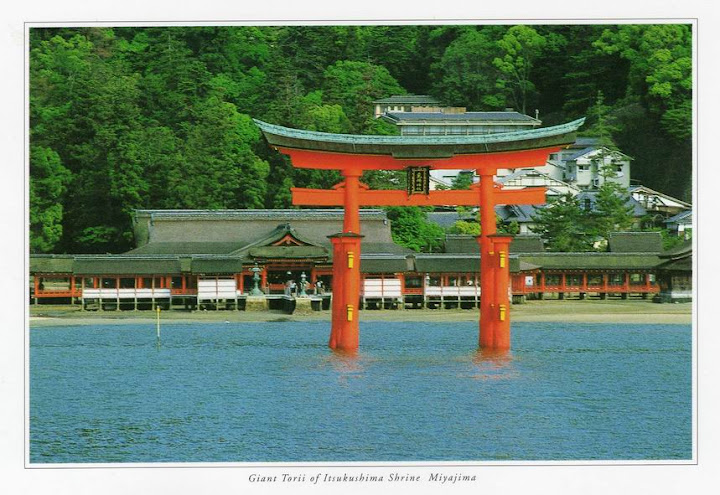
P173 - Japan - Giant Torri of Itsukushima Shrine


Giant Torri of Itsukushima Shinto Shrine, Hatsukaichi , Japan ( UNESCO WHS )


Itsukushima Shrine (Japanese: 厳島神社, Itsukushima Jinja) is a Shinto shrine on the island of Itsukushima (popularly known as Miyajima) in the city of Hatsukaichi in Hiroshima Prefecture in Japan. It is a UNESCO World Heritage Site. The Japanese government has designated several buildings and possessions as national treasures.

The shrine is dedicated to the three daughters of the Shinto deity Susano-o no Mikoto, brother of the great sun deity, Amaterasu (the tutelary deity of the Imperial household). The first shrine buildings were probably erected in the 6th century, and the shrine has been destroyed many times. The present shrine dates from the mid-16th century, having been rebuilt in keeping with its earlier 12th century design.

The current sixteenth century shrine follows the design established in 1168, when funds were provided by the warlord Taira no Kiyomori. The shrine's construction, consisting of pier-like structures built over the bay, is due to the holy status that the island once commanded. Commoners were historically not allowed to set foot on the island, and had to approach by boat, entering through the gate that appears to float. Beside the shrine is a noh stage.

The dramatic gate (torii) of Itsukushima Shrine is one of Japan's most popular tourist attractions, and the view of the gate in front of the island's Mount Misen is classified as one of the Three Views of Japan (along with the sand bar Amanohashidate, and Matsushima Bay). The gate has existed since 1168, though the current gate dates back to 1875. The gate, built of camphor wood, is about 16 metres high and was built in a four-legged style to provide additional stability.

The gate only appears to be floating at high tide; when the tide is low, the gate is surrounded by mud and can be accessed by foot from the island. It is common practice for visitors to place coins in the cracks of the legs of the gate and make a wish. Gathering shellfish near the gate is also popular at low tide. At night, powerful lights on the shore illuminate the gate.

Retaining the purity of the shrine is so important that since 1878, no deaths or births were permitted at the shrine.[citation needed] To this day, burials on the island are still forbidden.

On September 5, 2004, the shrine was severely damaged by Typhoon Songda. The boardwalks and roof were partially destroyed, leading to its temporary closure.


嚴島神社是一座創建於593年前後,位於日本廣島縣廿日市市境內島嶼——嚴島(舊名宮島)——島上的一座神社,主要祭奉的日本古傳說中的三位海洋女神(宗像三女神)。嚴島神社修築於瀨戶內海海濱的潮間帶上,神社前方立於海中的大型鳥居(日式牌樓)是被稱為「日本三景」之一的嚴島境內最知名的地標。嚴島神社除了大部分的建築結構都被日本政府指定為國寶之外,神社內也收藏了許多國寶級的物品,並且在1996年時與神社後方彌山上的原始林區並列於世界遺產名單中(其中神社屬世界文化遺產,而彌山則為世界自然遺產)。


References sources : Wikipedia

Share Bookmark:

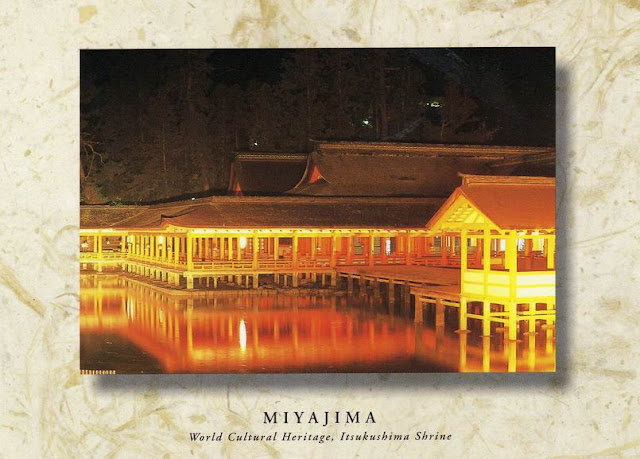
P127 - Japan - Itsukushima Shrine


Itsukushima Shinto Shrine, Hatsukaichi , Japan ( UNESCO WHS )


Itsukushima Shrine (Japanese: 厳島神社, Itsukushima Jinja) is a Shinto shrine on the island of Itsukushima (popularly known as Miyajima) in the city of Hatsukaichi in Hiroshima Prefecture in Japan. It is a UNESCO World Heritage Site. The Japanese government has designated several buildings and possessions as national treasures.

The shrine is dedicated to the three daughters of the Shinto deity Susano-o no Mikoto, brother of the great sun deity, Amaterasu (the tutelary deity of the Imperial household). The first shrine buildings were probably erected in the 6th century, and the shrine has been destroyed many times. The present shrine dates from the mid-16th century, having been rebuilt in keeping with its earlier 12th century design.

The current sixteenth century shrine follows the design established in 1168, when funds were provided by the warlord Taira no Kiyomori. The shrine's construction, consisting of pier-like structures built over the bay, is due to the holy status that the island once commanded. Commoners were historically not allowed to set foot on the island, and had to approach by boat, entering through the gate that appears to float. Beside the shrine is a noh stage.

The dramatic gate (torii) of Itsukushima Shrine is one of Japan's most popular tourist attractions, and the view of the gate in front of the island's Mount Misen is classified as one of the Three Views of Japan (along with the sand bar Amanohashidate, and Matsushima Bay). The gate has existed since 1168, though the current gate dates back to 1875. The gate, built of camphor wood, is about 16 metres high and was built in a four-legged style to provide additional stability.

The gate only appears to be floating at high tide; when the tide is low, the gate is surrounded by mud and can be accessed by foot from the island. It is common practice for visitors to place coins in the cracks of the legs of the gate and make a wish. Gathering shellfish near the gate is also popular at low tide. At night, powerful lights on the shore illuminate the gate.

Retaining the purity of the shrine is so important that since 1878, no deaths or births were permitted at the shrine.[citation needed] To this day, burials on the island are still forbidden.

On September 5, 2004, the shrine was severely damaged by Typhoon Songda. The boardwalks and roof were partially destroyed, leading to its temporary closure.


嚴島神社是一座創建於593年前後,位於日本廣島縣廿日市市境內島嶼——嚴島(舊名宮島)——島上的一座神社,主要祭奉的日本古傳說中的三位海洋女神(宗像三女神)。嚴島神社修築於瀨戶內海海濱的潮間帶上,神社前方立於海中的大型鳥居(日式牌樓)是被稱為「日本三景」之一的嚴島境內最知名的地標。嚴島神社除了大部分的建築結構都被日本政府指定為國寶之外,神社內也收藏了許多國寶級的物品,並且在1996年時與神社後方彌山上的原始林區並列於世界遺產名單中(其中神社屬世界文化遺產,而彌山則為世界自然遺產)。


References sources : Wikipedia

Share Bookmark:

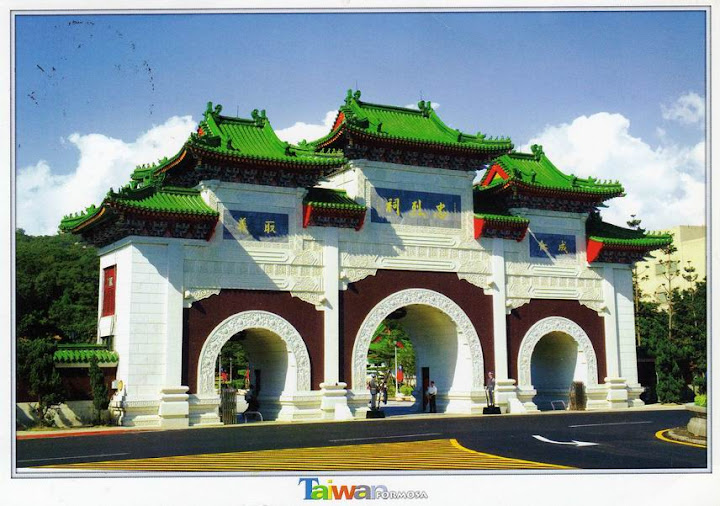
P118 - Taiwan - Martyrs' Shrine


Martyrs' Shrine, Taipei, Taiwan


The Martyr's Shrine is a shrine dedicated to the war dead of the Republic of China (Taiwan). It is located in Taipei City, Taiwan.

A changing of the guard ceremony is conducted in the temple complex, similar to the ones in the Sun Yat-sen Memorial Hall and Chiang Kai-shek Memorial Hall, although the latter is currently suspended.


忠烈祠,或稱忠魂祠、英烈祠、英魂祠、英靈祠、忠烈廟、忠烈祠、昭忠祠、褒忠祠等,是祠廟的一種,為歷代褒揚忠義精神,建祠追祀為國殉難忠臣烈士之獨立建築物,祠名「忠烈」、「忠魂」等。除了專門為供奉忠臣烈士而興建的祠廟外,亦有些是以其他建築改建而成,如神社。由於儒家提倡忠、義等品德,興建忠烈祠除紀念和奉祀殉國忠臣烈士外,還有著道德教化的作用。

臺灣之忠烈祠是奉祀為中華民國殉職並有其重大忠貞事蹟且足資衿式的陣亡官兵、警察及人民的建築物。[1]目前約有廿餘座,都由官方管理,大抵而言各縣市有其一;大多利用日治時期原有神社就地改建北方宮殿式建築而成,但部分建物外觀仍保有神社舊貌。

台灣所在各座忠烈祠,淵源來自1930年代的中華民國國民政府。該類型祠廟首度出現於1931年的九一八事變,本專門負責褒揚該事變陣亡將士之功勳。到了1936年,國民政府軍事委員會訂定出「各縣設立忠烈祠辦法」,忠烈祠一詞才被廣泛地使用。

今忠烈祠建物仍有正殿、牌位等設置,其入祀忠烈祠典禮及祭祀亦照規定舉行。每年分別於3月29日之台灣青年節及9月3日軍人節的春秋兩次國殤中,各地忠烈祠均會舉行春祭及秋祭,一切的典禮相當隆重且莊嚴,均符合國家祭典標準。以2009年年為例,由首長親臨忠烈祠的該年度春祭的計有宜蘭員山忠烈祠、澎湖縣忠烈祠及台北縣忠烈祠等等。


References sources : Wikipedia
Share Bookmark:

Related Posts with Thumbnails

Sign by Danasoft - Get Your Free Sign

jasmine8559 - View my 'UNESCO' postcards on Flickriver
jasmine8559 - View My 'Wishlist' on Flickriver

Postcards Countries

Svalbard Spain United States of America Antarctica South Georgia Falkland Islands Bolivia Peru Ecuador Colombia Venezuela Guyana Suriname French Guiana Brazil Paraguay Uruguay Argentina Chile Greenland Canada United States of America United States of America Israel Jordan Cyprus Qatar United Arab Emirates Oman Yemen Saudia Arabia Iraq Afghanistan Turkmenistan Iran Syria Singapore China Mongolia Papua New Guinea Brunei Indonesia Malaysia Malaysia Tiawan Philippines Vietnam Cambodia Laos Thailand Burma Bangladesh Sri Lanka India Bhutan Nepal Pakistan Afghanistan Turkmenistan Tajikistan Kyrgyzstan Uzbekistan Japan North Korea South Korea Russia Kazakhstan Russia Montenegro Portugal Azerbaijan Armenia Georgia Ukraine Moldova Belarus Romania Bulgaria Macedonia Serbia Bosonia & Herzegovina Turkey Greece Albania Croatia Hungary Slovakia Slovenia Malta Spain Portugal Spain France Italy Italy Austria Switzerland Belgium France Ireland United Kingdom Norway Sweden Finland Estonia Latvia Lithuania Russia Poland Czech Republic Germany Denmark The Netherlands Iceland El Salvador Guatemala Panama Costa Rica Nicaragua Honduras Belize Mexico Trinidad & Tobago Puerto Rico Dominican Republic Haiti Jamaica The Bahamas Cuba Vanuatu Australia Solomon Islands Fiji New Caledonia New Zealand Eritrea Ethiopia Djibouti Somalia Kenya Uganda Tanzania Rwanda Burundi Madagascar Namibia Botswana South Africa Lesotho Swaziland Zimbabwe Mozambique Malawi Zambia Angola Democratic Repbulic of Congo Republic of Congo Gabon Equatorial Guinea Central African Republic Cameroon Nigeria Togo Ghana Burkina Fassu Cote d'Ivoire Liberia Sierra Leone Guinea Guinea Bissau The Gambia Senegal Mali Mauritania Niger Western Sahara Sudan Chad Egypt Libya Tunisia Morocco Algeria
Map Legend: 26%, 70 of 263 Territories
 Postcards received from 


ArgentinaAustraliaAustriaBelgiumBosnia and HerzegovinaBelarusBrazilBulgariaCanadaChinaChileCyprusDenmarkEgyptIrelandEstoniaCzech RepublicFinlandFranceGuernseyGermanyGreeceHong KongCroatiaHungaryIcelandIndonesiaIndiaIranIsraelItalyJapanKorea, SouthLatviaLithuaniaSlovakiaLuxembourgMacauMontenegroMacedonia, The Former Yugoslav Republic ofMoroccoMauritiusOmanMexicoMalaysiaNetherlandsNorwayNew ZealandPeruPolandPortugalSerbiaRomaniaPhilippinesRussiaSouth AfricaSloveniaSingaporeSpainSwedenSwitzerlandUnited Arab EmiratesThailandTurkeyTaiwanUnited KingdomUkraineUnited StatesUruguayVietnam

Free money making opportunity
Postcards Exchange